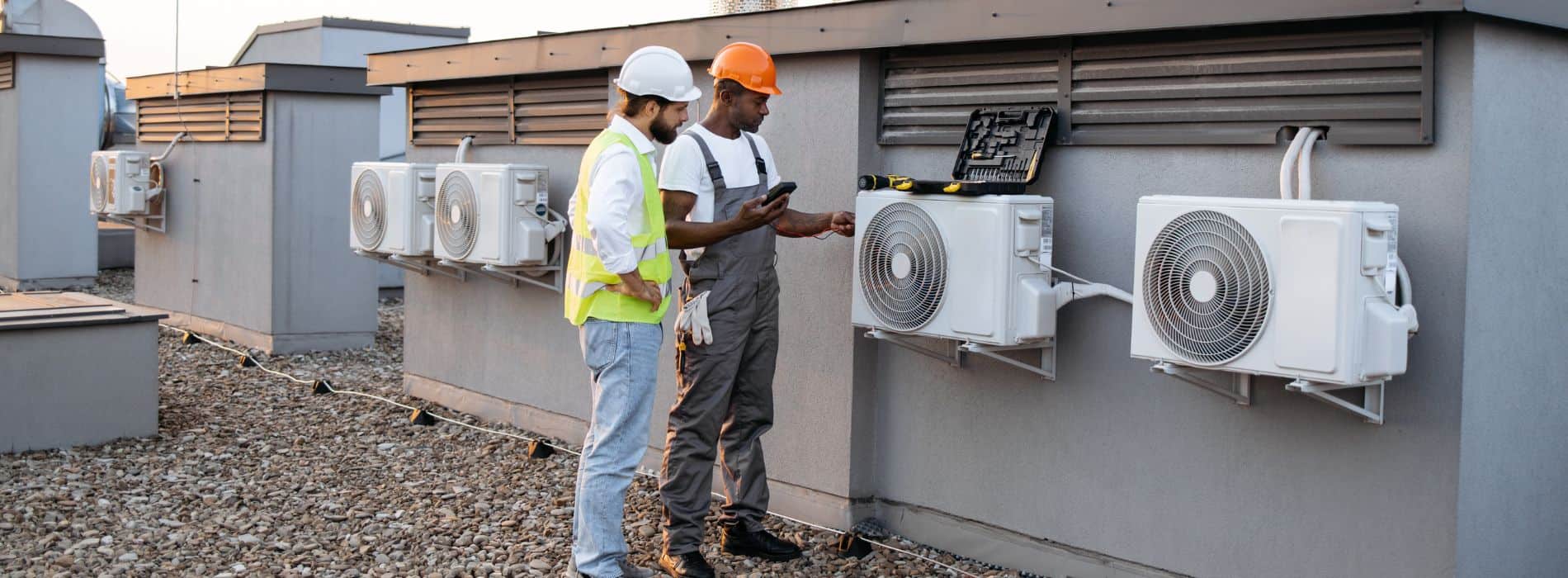
Heating and cooling are not optional in Minnesota’s climate. Buildings, schools, healthcare facilities, data environments, and homes all depend on reliable HVAC/R service. That structural need is why employers continue to recruit technicians who can document training, follow safety rules, and troubleshoot under pressure—not only “book smart” applicants.
What “good career” usually means for HVAC
- Clear credential expectations: EPA Section 608 for refrigerants is federal law; OSHA safety awareness is widely expected on job sites.
- Multiple employers: residential, commercial, facilities, and wholesale channels all hire entry-level roles with different lifestyles.
- Progression: installers and service techs can grow into lead roles, diagnostics specialists, or business ownership with experience and reputation.
Training is the bridge—not a guarantee
Quality training reduces risk for employers: it signals you understand fundamentals, terminology, and safety boundaries. Minnesota Trade Careers prepares students for EPA 608, OSHA 10, and NATE Ready-to-Work style outcomes through structured online coursework and VR practice. No ethical school should promise a job; what we can promise is alignment between what you study and what hiring managers screen for.
Minnesota weather as a career tailwind—not hype, just workload
Long heating seasons and humid summers mean maintenance contracts, emergency calls, and retrofit projects continue across economic cycles. That does not eliminate competition for the best employers; it means the work exists for technicians who communicate well, document service, and keep certifications current.
Entry paths: install, service, facilities, distribution
- Residential install crews value physical stamina, blueprint literacy, and coachability.
- Service roles emphasize diagnostics, customer communication, and callback prevention.
- Facilities teams prioritize reliability, documentation, and comfort with building automation interfaces.
- Wholesale counter and support roles can be a foot in the door if you want less rooftop time at first.
What “job ready” looks like in the first 90 days
Expect tool familiarity, ride-alongs, and close supervision on refrigerant-bearing tasks until your EPA status and company policy align. Ask interviewers how they structure onboarding and who signs off before you work alone on regulated equipment.
Frequently asked questions
Is HVAC a stable career in Minnesota?
Demand for climate control work is structurally recurring, but stability still depends on your employer, specialty, and performance. Technicians who keep certifications and customer skills strong tend to have more options.
Do I need EPA 608 before my first HVAC job?
Federal law governs refrigerant work; employers and EPA-certified testing programs define how you certify. Your training should clarify preparation versus exam scheduling and any separate fees.
Is HVAC hard on the body?
It can be physically demanding—ladders, tight spaces, weather exposure on some routes. Residential vs. commercial vs. facilities roles differ; ask employers about typical daily conditions.
Can I work only residential or only commercial?
Many companies specialize. Early-career flexibility helps you learn fast, but it is reasonable to steer toward a lane that fits your lifestyle once you understand the trade.
Does HVAC pay well without overtime?
Base pay varies by role and region. Overtime can inflate earnings short-term; ask employers typical hours and on-call expectations so you compare offers honestly.
What certifications matter most early in HVAC?
EPA 608 is foundational for refrigerant work. OSHA 10 is commonly expected on construction-adjacent routes. Additional credentials become more valuable as you specialize.
Ready to explore training?
HVAC is available today; more trade programs are planned. Talk to admissions about fit and financing.