
HVAC Program
Online HVAC Training in Minnesota
Get EPA 608, OSHA 10 & NATE Ready-to-Work Prep in 5–9 Weeks
Get prepared for EPA 608, OSHA 10, and NATE Ready-to-Work certifications with flexible online HVAC training, VR simulations, and funding options for eligible students.
Why Minnesota Trade Careers
Try the interactive tools
Payback model, a two-minute reading path, a scroll-through service day, and a Google Web Story — built for curious prospects.
What a career in HVAC actually looks like
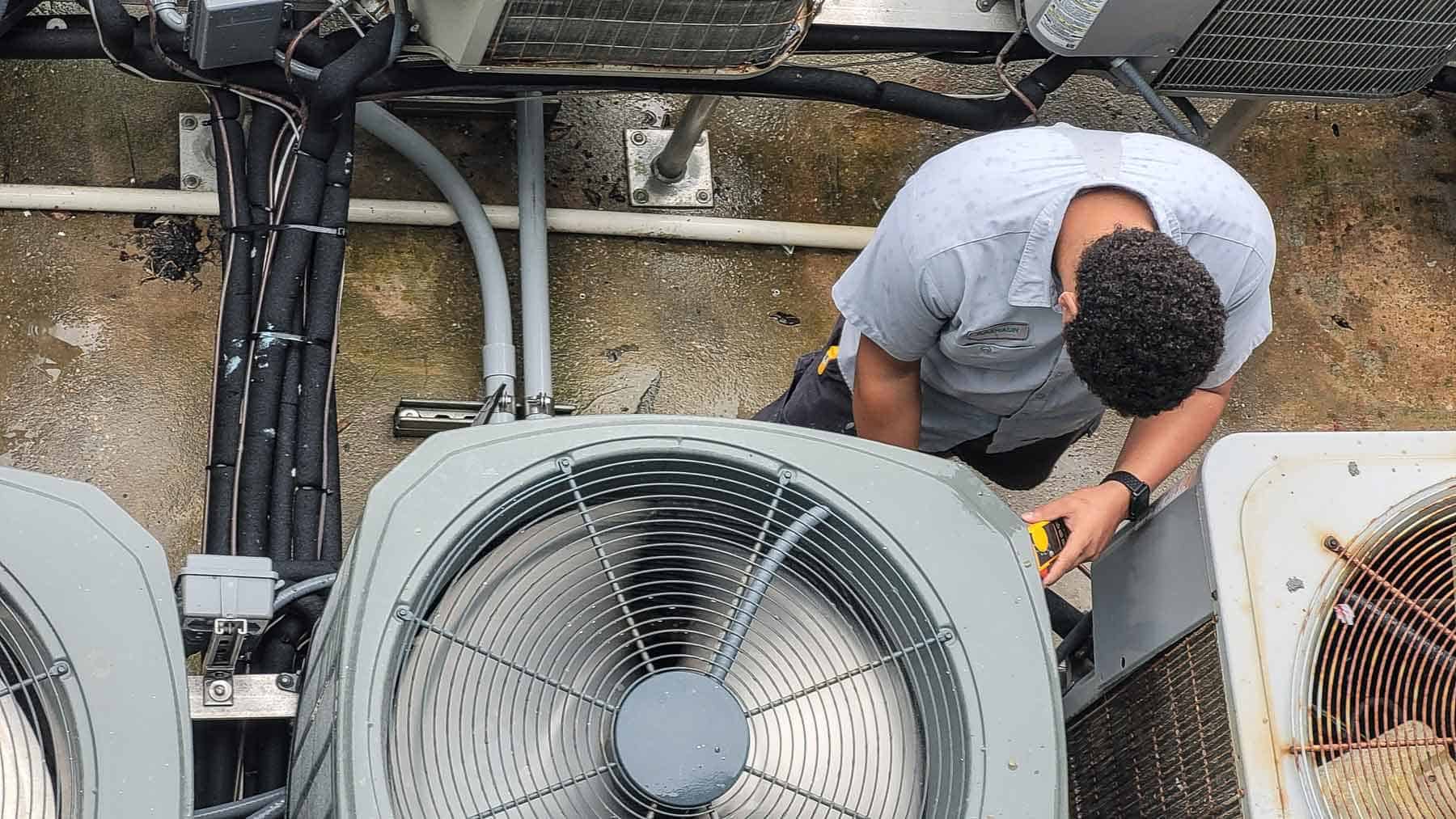
A good HVAC tech knows how to think on their feet and isn't afraid to get their hands dirty. The job takes solid technical know-how, problem-solving skills, and attention to detail. Whether you're working solo or with a crew, you're the one people count on to keep their systems running right, ensuring homes, offices, and buildings stay comfortable year-round. With your HVAC Career Prep Certification, you can start out as an apprentice and build real-world experience toward becoming a fully trained technician. Depending on your focus, a typical day might include:
- Troubleshooting and repairing electrical or mechanical issues
- Installing HVAC units and components according to plans or blueprints
- Performing routine maintenance on heating, cooling, and refrigeration systems
- Handling emergency service calls quickly and efficiently
ETPL approved HVAC Technician Program
Minnesota Trade Careers' HVAC program is approved on Minnesota's Eligible Training Provider List (ETPL), allowing eligible students to pursue training through state-funded workforce programs.
Course Highlights
Our online HVAC Technician Program provides a flexible, hands-on learning experience built to prepare you for success in the field.
- 100 Hours of Interactive Training
- Immersive Virtual Reality Simulations
- Instructors with 10+ Years of Experience
- Weekly Live Office Hours
- Career Placement & Staffing Assistance
- All Materials Included – No Hidden Costs
- NATE Ready-to-Work
- EPA 608 Certification
- OSHA 10 Certification
How Online HVAC Training Works
No campus. No commute. No rigid schedule. Here's how our fully remote program works:
Enroll & Access Your Platform
Complete enrollment and get instant 24/7 access to your online learning portal. Start the same week — no waiting for a semester to begin.
Learn at Your Pace with VR
Work through expert-led modules and practice real HVAC scenarios in our VR simulation lab. Nights, weekends, lunch breaks — you decide when.
Get Certified & Get Hired
Complete your program, earn your certifications, and connect with employers through our career services. Most graduates land their first role within weeks.
What You'll Learn
Our comprehensive HVAC curriculum covers everything employers are looking for — from fundamental principles to advanced troubleshooting techniques.
Module 1: Introduction to HVAC
Get a big-picture view of the HVAC industry, major system types, and key components. Learn essential safety practices and the basic hand and power tools you will use.
Module 2: HVAC Fundamentals
Explore how common systems heat and cool a building and what happens inside each unit. Review routine maintenance for air conditioning and heating equipment.
Module 3: Electrical for HVAC/R
Read and interpret HVAC symbols and wiring diagrams. Practice using a multimeter and working with switches, loads, and basic circuits.
Module 4: Refrigeration Systems
Understand refrigeration basics, including regulations, common tools, system pressures, and refrigerant essentials. Focus on evaporators and condensers.
Module 5: Evacuation, Charging & Diagnostics
Study compressor operation and failure symptoms. Learn leak detection techniques, proper evacuation procedures, and charging methods.
Module 6: HVAC Troubleshooting
Work through heat pump operation and troubleshooting. Identify and correct common electrical and mechanical faults in residential A/C systems.
Training snapshot
Quick facts alongside the full course highlights above.
Certifications You'll Earn
EPA 608 Certification
Federally required certification for anyone handling refrigerants. Essential for all HVAC technicians.
OSHA 10 Certification
Construction industry safety certification demonstrating your knowledge of workplace safety standards.
NATE Ready-to-Work
Industry-recognized credential showing employers you have the foundational knowledge to begin your HVAC career.
Flexible Online Learning Schedule
- Commit 20 hours/week and finish in about 4 weeks
- Commit 10 hours/week and finish in about 8 weeks
- Up to 12 months of full access to complete your training
Career Opportunities
Skilled HVAC professionals are the link between comfort and performance in any building. They install, service, and repair the heating, cooling, and ventilation systems that keep homes and businesses running smoothly.
This program gives you the knowledge and hands-on foundation to begin your career as an HVAC apprentice and work toward becoming a fully licensed technician. Graduates who complete the training and earn the required certifications can pursue roles such as:
For Minnesota, DEED counted about 5,190 HVAC mechanics and installers employed statewide in Q1 2025. DEED reports a mean wage of $35.28 per hour and a median of $36.07 per hour for HVAC mechanics and installers statewide in Q1 2025. The same OES release shows a statewide median of about $26.22/hr across all occupations and a nationwide comparison median around $24.13/hr — useful context for how HVAC compares to the Minnesota-wide baseline. DEED detailed occupation tables also publish regional estimates (for example Northeast and Southwest Minnesota planning regions) where wages and employment differ from the statewide line.
Nationally, BLS reports a median annual wage of about $59,810 for HVAC mechanics and installers, with typical entry education of postsecondary nondegree award. National employment is on the order of 425,200 workers. The Occupational Outlook Handbook projects 8% employment growth from 2024 to 2034, with about 34,500 average annual job openings across the U.S. BLS describes HVAC work across homes, schools, hospitals, and other buildings; job openings reflect workers who retire or change occupations as well as industry growth. Wages and opportunities vary by employer, union, experience, and region—use official DEED and BLS publications when comparing offers.
Sources: Minnesota Department of Employment and Economic Development (DEED) occupational employment and wage statistics (Q1 2025); U.S. Bureau of Labor Statistics (BLS) Occupational Outlook Handbook (2024-2034).
Building a Strong Foundation for an HVAC/R Career
The HVAC/R industry continues to offer steady job opportunities and long-term career growth. This program is designed to prepare students for entry-level positions in heating, ventilation, air conditioning, and refrigeration. Graduates will learn how to perform routine maintenance, troubleshoot electrical components, handle refrigerants safely, and use industry-standard tools with confidence.
After completing this 100-hour online training, students will earn an HVAC Career Prep Professional Certificate of Completion and be ready to enter the workforce. In addition, graduates will be prepared to take industry-recognized certification exams, including:
- NATE Ready-to-Work
- OSHA 10-Hour Construction Industry
- EPA 608
Learning and Assessment Framework
Coursework blends self-paced modules, skills checks, and instructor-supported office hours so you always know where you stand—and what to study next.
Program Resources and Study Tools
You'll have access to structured lesson materials, practice assessments, VR scenarios, and recorded instruction you can revisit as you prepare for certification exams.
Your Skills After Graduation
Upon completion, you'll be equipped with practical, job-ready skills that employers value.
Frequently Asked Questions
Everything you need to know about our HVAC Technician program.
Ready to Start Your HVAC Career?
Take the first step toward a rewarding career in the skilled trades. 100% online. Start this week.