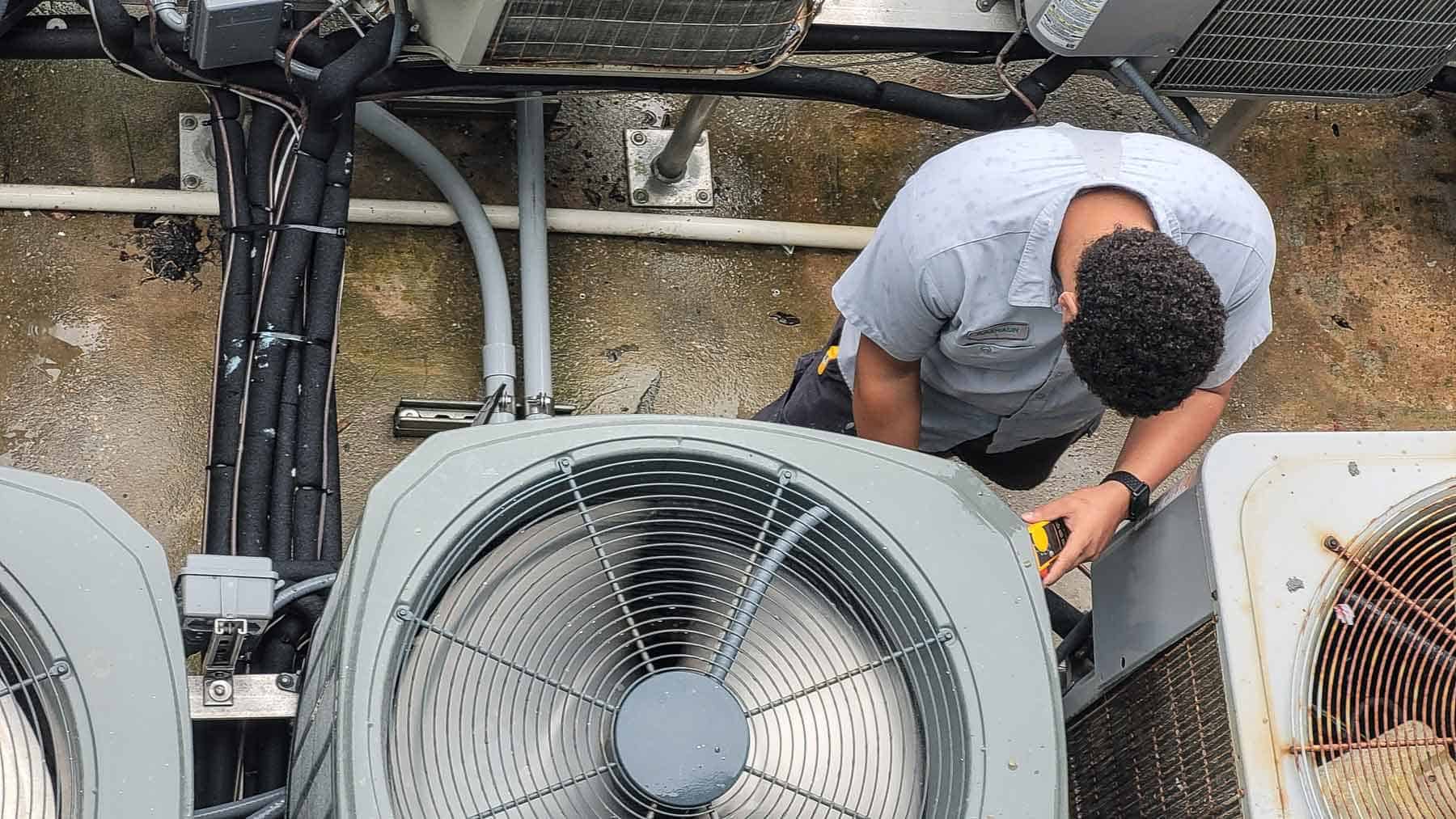
Demographics and infrastructure spending have tightened the market for qualified technicians. That does not mean employers hire anyone—it means they pay attention to signals that reduce onboarding risk: certifications, work samples, reliability, and communication skills.
Shortage ≠ shortcuts
Some marketing implies “sign here, instant career.” Responsible training providers push the opposite message: employers still interview, verify, and probationary-hire. The shortage helps serious candidates who finish strong; it does not remove standards on safety or customer trust.
What you can control
- Finish credentials that are legally or commercially required for the work you want.
- Document projects or simulations you can discuss in interviews.
- Treat customer communication as a skill—callbacks and clear updates matter as much as torque settings.
Demographics, retirements, and building stock
Older cohorts of technicians retiring does not automatically hand you a job—it shifts hiring pressure toward teams that can train safely without creating liability. Employers increasingly screen for documentation habits, refrigerant rule awareness, and professionalism on customer sites because callbacks are expensive.
How training changes your leverage in pay conversations
Credentials do not guarantee a number, but they widen the set of tasks you can be assigned, which affects overtime eligibility, on-call stipends, and promotion timing. Think in terms of task eligibility + reputation, not slogans about “the shortage.”
Frequently asked questions
Does the trades shortage mean I can skip certifications?
No. Employers still verify credentials for regulated work and for insurance reasons. Shortage means competition for reliable people—not lowered safety standards.
Is Minnesota different from national trades trends?
Climate, industry mix, and local employers matter. Use Minnesota-specific job postings and wage surveys alongside national outlook data.
Why do employers still ghost applicants if there is a shortage?
Hiring teams are busy; they also filter hard for reliability and fit. Clear communication, follow-up discipline, and credential completion improve response rates.
Are skilled trades immune to layoffs?
No sector is immune. Commercial cycles, company mismanagement, and automation shifts can affect roles. Diversifying skills and maintaining certifications improves resilience.
Should I enter HVAC because of demand alone?
Demand helps, but sustained careers come from interest in the work, tolerance for the working conditions, and willingness to keep learning as equipment evolves.
What is the fastest way to look credible to hiring managers?
Finish legally required credentials, practice explaining diagnostic stories out loud, and show up prepared with questions about their onboarding and safety culture.
Ready to explore training?
HVAC is available today; more trade programs are planned. Talk to admissions about fit and financing.